Weathering is the breakdown of rocks, soils, and minerals through direct contact with the Earth's atmosphere, biota, and waters. It is a fundamental process of the rock cycle, and it creates the loose material that forms soil.
Here's a breakdown of the different types of weathering:
* Physical weathering: This involves the breakdown of rocks into smaller pieces without changing their chemical composition. This can happen through:
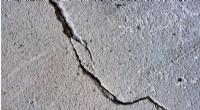
* Frost wedging: Water seeps into cracks in rocks, freezes, expands, and forces the rock apart.
* Thermal expansion and contraction: Rocks expand when heated and contract when cooled. Repeated cycles of heating and cooling can cause cracks to form and widen.
* Abrasion: Rocks rub against each other, causing them to wear down.
* Chemical weathering: This involves the breakdown of rocks through chemical reactions. This can happen through:
* Oxidation: Iron in rocks reacts with oxygen, creating rust and weakening the rock.
* Hydrolysis: Water reacts with minerals in rocks, breaking them down.
* Carbonation: Carbon dioxide in rainwater forms carbonic acid, which dissolves some minerals in rocks, like limestone.
* Biological weathering: This involves the breakdown of rocks by living organisms. This can happen through:
* Plant roots: Growing roots can wedge into cracks and break rocks apart.
* Animals: Animals burrowing and digging can break up rocks and expose them to other weathering processes.
* Lichens: Lichens produce acids that can dissolve rock.
The type of weathering that occurs depends on the environment. For example, physical weathering is more common in cold climates with lots of freeze-thaw cycles, while chemical weathering is more common in warm, humid climates.
Weathering is a crucial process that shapes the Earth's surface. It creates the soil that supports life, breaks down rocks to form sediment, and helps to form landforms like canyons and valleys.