1. Trade Winds and the Intertropical Convergence Zone (ITCZ):
* Trade Winds: These consistent, steady winds blow towards the equator from both the north and south. They pick up moisture from the oceans.
* ITCZ: This is a band of low pressure near the equator where the trade winds converge. The warm, moist air rises at the ITCZ, cools, condenses, and releases its moisture as rain. This is the primary reason rainforests are found in these zones.
2. Monsoon Winds:
* Seasonal Winds: In some regions, like Southeast Asia and India, the wind patterns shift seasonally. During the summer monsoon, moist winds blow inland from the oceans, bringing heavy rains and creating ideal conditions for rainforests. During the winter monsoon, drier winds blow outward, resulting in a less rainy period.
3. Ocean Currents:
* Warm Currents: These currents, often driven by wind patterns, transport warm, moist air, contributing to higher rainfall in regions like the Amazon rainforest.
4. Local Wind Patterns:
* Orographic Lifting: As moist winds blow across mountains, they are forced upward. As they ascend, the air cools, leading to condensation and rainfall on the windward side of the mountain. This can create pockets of rainforest in mountainous areas.
5. Distribution of Rainforests:
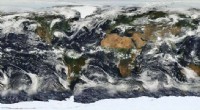
* Global Patterns: The distribution of rainforests is closely tied to the global wind patterns. They are concentrated near the equator and in areas influenced by monsoon winds.
In summary: Wind patterns play a crucial role in creating the moist conditions necessary for rainforest ecosystems. They drive the convergence of moist air, seasonal shifts in rainfall, and the distribution of rainforests across the globe.