Here are some examples of how a landscape can be altered:
Natural alterations:
* Erosion: Wind, water, and ice can wear away at the land, changing its shape and features.
* Volcanic eruptions: Eruptions can create new landforms, such as mountains and craters, and change the flow of rivers.
* Earthquakes: Earthquakes can shift the land, creating faults and valleys.
* Floods: Flooding can deposit sediment, changing the elevation and contours of land.
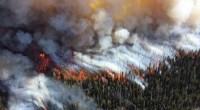
* Forest fires: Fires can clear vegetation, altering the landscape and leaving behind charred areas.
Human-made alterations:
* Construction: Building houses, roads, and other structures can drastically change the landscape.
* Agriculture: Farming practices, such as tilling and irrigation, can alter the soil and vegetation.
* Mining: Extracting minerals and resources can leave behind large open pits and waste dumps.
* Deforestation: Cutting down trees can change the flow of water, increase erosion, and alter wildlife habitats.
* Pollution: Air, water, and soil pollution can damage the landscape and make it unsuitable for certain plants and animals.
The word "alter" implies that the change is significant and noticeable. It suggests a transformation that is more than just a minor adjustment.
The phrase "alter landscape" can be used in both positive and negative contexts. For example, you might talk about the positive alteration of a landscape through restoration efforts, or the negative alteration of a landscape through pollution or deforestation.