Factors Influencing Erosion:
* Slope: Steeper slopes experience faster erosion due to increased gravitational force pulling water and soil downhill.
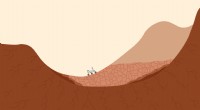
* Topography: The overall shape and arrangement of the landscape determines how water flows. For example, valleys concentrate water flow, leading to higher erosion rates.
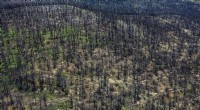
* Vegetation: Plants act as natural barriers, anchoring soil, slowing water flow, and reducing the impact of rainfall. Deforestation or overgrazing increases erosion by exposing the soil.
* Rock Type: The composition of bedrock influences resistance to erosion. Soft rocks like shale erode faster than harder rocks like granite.
* Climate: Rainfall amount and intensity directly affect erosion rates. Heavy rainfall leads to increased runoff and soil loss.
* Human Activities: Construction, farming, and mining can disrupt natural landscapes, increase soil exposure, and accelerate erosion.
Types of Erosion:
* Water Erosion: The most common type, driven by flowing water. It includes:
* Sheet Erosion: Even, thin layers of soil are removed over large areas by overland flow.
* Rill Erosion: Small channels form as water concentrates, removing more soil.
* Gully Erosion: Large, deep channels form, significantly changing the landscape.
* Wind Erosion: Wind carries away soil particles, especially in dry areas with sparse vegetation.
* Mass Wasting: Rapid movement of soil and rock downhill due to gravity, including landslides, slumps, and debris flows.
Landscape Features and Erosion:
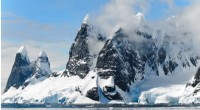
* Mountains: Steep slopes, rapid runoff, and frost weathering lead to significant erosion.
* Valleys: Concentrated water flow causes erosion of valley floors and the formation of river channels.
* Plateaus: Relatively flat surfaces experience sheet erosion and the formation of canyons or mesas.
* Deserts: Wind erosion is dominant, shaping dunes and other features.
* Coastal Areas: Waves and tides cause erosion of shorelines, creating cliffs and beaches.
Consequences of Erosion:
* Loss of Soil Fertility: Eroded soil loses nutrients, reducing agricultural productivity.
* Sedimentation: Eroded soil enters water bodies, polluting them and harming aquatic life.
* Landslides and Floods: Eroded landscapes can become unstable, leading to hazards.
* Habitat Loss: Erosion destroys habitats for plants and animals.
Managing Erosion:
* Conservation Practices: Planting cover crops, contour farming, and terracing can slow runoff and protect soil.
* Reforestation: Planting trees helps stabilize slopes and reduce erosion.
* Construction Techniques: Proper drainage systems and erosion control measures are crucial during construction.
* Sustainable Land Management: Minimizing disturbance and promoting natural processes helps prevent erosion.
Understanding the intricate relationship between landscape and erosion is essential for managing natural resources and mitigating the negative effects of soil loss.