Here's a breakdown:
* Forest: A large area of land covered with trees.
* Establishment: The process of planting and nurturing trees to create a forest.
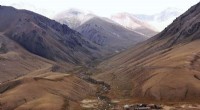
* Not forested recently: This means the land was previously something else, like a farm, grassland, or barren land.
Think of it as: planting trees on land that hasn't had a forest for a while.
Why is it important?
Aforestation is a key part of combating climate change because trees absorb carbon dioxide from the atmosphere. It can also help:
* Prevent soil erosion: Tree roots help hold the soil in place.
* Improve water quality: Forests filter and purify water.
* Provide habitats for wildlife: Forests offer shelter and food for many species.
* Increase biodiversity: Forests support a wide variety of plants and animals.
It's important to note:
* Aforestation is different from reforestation, which is the replanting of trees in areas where forests have been cleared.
* Aforestation is a long-term process, and it may take many years for a forest to fully develop.
Examples of Aforestation:
* Planting trees on abandoned farmland to create a new forest.
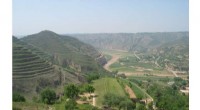
* Creating a forest on a barren hillside to prevent erosion.
* Establishing a forest in a desert area to improve the local ecosystem.