Climate and Environment:
* Rainfall: The Sahel experiences a distinct dry season with very little rainfall, contrasted with the consistent high rainfall in rainforests. This makes water a precious resource in the Sahel, requiring careful management and conservation.
* Temperature: The Sahel experiences extreme temperatures, with scorching hot days and cool nights, whereas rainforests are hot and humid year-round with minimal temperature variation.
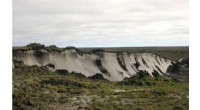
* Vegetation: The Sahel is characterized by sparse vegetation, consisting mainly of thorny shrubs, grasses, and acacia trees, while rainforests are densely forested with a wide variety of trees and plants.
* Wildlife: The Sahel hosts animals adapted to arid conditions, like gazelles, camels, and lions, while rainforests are teeming with diverse wildlife, including monkeys, birds, and insects.
Lifestyle and Culture:
* Food and Agriculture: In the Sahel, agriculture relies heavily on pastoralism (herding animals) and limited rain-fed agriculture, with crops like millet and sorghum. In rainforests, subsistence farming is common, utilizing the abundant rainfall for diverse crops and fruits.
* Water Resources: Water scarcity is a major challenge in the Sahel, with people relying on wells, boreholes, and seasonal rivers. In rainforests, water is abundant, with rivers, streams, and rainfall providing ample sources.
* Housing: Sahel homes are often built with mud brick and straw, offering basic shelter and adapting to the dry climate. Rainforest homes are typically made from natural materials like wood and leaves, providing shade and ventilation in the humid environment.
* Social Structure: The Sahel is characterized by nomadic and semi-nomadic communities who move with their livestock in search of grazing land, while rainforest communities often have settled agricultural practices with strong ties to their land.
Challenges and Opportunities:
* Climate Change: The Sahel is particularly vulnerable to climate change, with increasing droughts and desertification, leading to food insecurity and conflict. Rainforests also face threats due to deforestation and climate change, but their diverse ecosystems are better equipped to withstand some changes.
* Development: The Sahel faces challenges in achieving sustainable development, with limited access to resources and infrastructure. Rainforests often have more diverse economic opportunities, but face challenges from unsustainable practices.
Overall, life in the Sahel is characterized by adaptation to arid conditions, while life in a rainforest is marked by thriving in a lush and humid environment. Both regions have unique challenges and opportunities, requiring different approaches to survival and development.