1. Geological History:
* Tectonic Plates: The US sits on the edge of several tectonic plates, leading to mountain formation (e.g., the Rockies, Appalachians) and volcanic activity (e.g., Yellowstone).
* Continental Drift: The North American continent has drifted over millions of years, leading to diverse geological formations and climates.
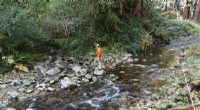
* Erosion and Weathering: Wind, water, and ice have sculpted the landscape, forming canyons, valleys, plateaus, and deserts.
2. Climate:
* Latitude: The US spans a wide range of latitudes, resulting in different climates from tropical (Hawaii, Florida) to arctic (Alaska).
* Elevation: Higher elevations experience colder temperatures and increased precipitation, leading to mountainous terrain.
* Ocean Currents: Warm and cold currents influence coastal climates and create diverse ecosystems.
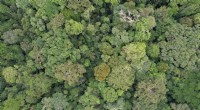
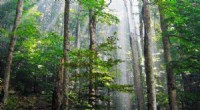
* Precipitation: Regions with heavy rainfall have lush forests and fertile valleys, while drier areas are more likely to have deserts and grasslands.
3. Human Influence:
* Agriculture: Farming practices have altered the landscape, leading to cleared forests and cultivated fields.
* Urbanization: Cities and infrastructure have reshaped the landscape, especially near coastlines.
* Pollution: Human activities have impacted the environment, leading to changes in water quality and air pollution.
4. Biodiversity:
* Plant and Animal Life: Different ecosystems support unique plant and animal life, which further influence the landscape.
* Species Interactions: Interactions between species shape the environment, leading to changes in vegetation patterns and habitat diversity.
5. Time:
* Geological Time: Millions of years of geological processes have shaped the landscape, creating its unique features.
* Human Time: Human activity has altered the landscape over the last few centuries, impacting its appearance and ecosystems.
These factors combine to create a diverse and captivating landscape throughout the United States, ranging from the snow-capped peaks of the Sierra Nevada to the vast plains of the Great Plains, from the lush forests of the Pacific Northwest to the sun-baked deserts of the Southwest.