* Altitude: As you go higher, the air gets thinner. Thinner air holds less heat, leading to lower temperatures.
* Atmospheric Pressure: Lower atmospheric pressure at higher altitudes also means less air to hold moisture. This can lead to drier conditions.
* Winds: Mountain tops are often exposed to strong winds, which can increase the feeling of cold.
* Cloud Formation: As warm, moist air rises up the mountain slopes, it cools. This cooling can cause condensation, leading to increased cloud cover and precipitation.
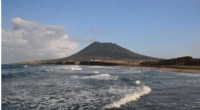
However, it's important to note that microclimates can vary within a mountain range. Different aspects of the mountain (north-facing vs. south-facing slopes) and local weather patterns can influence the specific climate at a particular elevation.