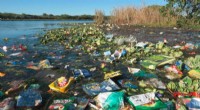
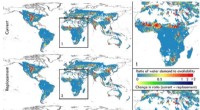
1. Consumption Patterns:
* Food: Meat consumption (especially beef) has a high footprint due to land use, water, and energy required for livestock production.
* Energy: Reliance on fossil fuels for electricity, transportation, and heating significantly contributes to emissions and land use for extraction.
* Housing: Large homes require more energy for heating and cooling, contributing to emissions and resource consumption.
* Transportation: Car use, air travel, and freight transport all contribute to emissions and resource depletion.
* Goods and Services: The production and consumption of consumer goods, from clothes to electronics, require vast amounts of energy and resources.
2. Population Growth:
* A larger population translates to a higher demand for resources, placing greater pressure on the environment.
* Population growth also contributes to habitat loss, deforestation, and pollution.
3. Technological Advancements:
* While some technologies can help reduce footprints (e.g., renewable energy), others increase them (e.g., manufacturing of smartphones, plastics).
* The production and disposal of technology can also contribute to pollution and resource depletion.
4. Economic Activities:
* Industrialization and economic growth often lead to increased resource consumption and emissions.
* Globalization and trade can increase transport distances and associated emissions.
5. Infrastructure and Development:
* Building roads, dams, and other infrastructure can disrupt ecosystems and contribute to land use change.
* Urbanization can lead to increased resource consumption and waste generation.
6. Climate Change:
* Global warming can exacerbate existing environmental problems, leading to increased resource scarcity, extreme weather events, and biodiversity loss.
7. Inefficient Practices:
* Wasteful practices in production, consumption, and disposal contribute to resource depletion and pollution.
* Inefficient energy use in buildings, transportation, and industry contributes to greenhouse gas emissions.
8. Inequality:
* Unequal distribution of resources and wealth means some individuals and nations have disproportionately high ecological footprints.
* This can lead to environmental injustice and unsustainable consumption patterns.
It's important to note that these factors are interconnected and can interact in complex ways. Understanding these factors and their interactions is crucial for developing strategies to reduce ecological footprints and achieve environmental sustainability.