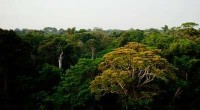
Here's a breakdown:
* The forest: Represents the larger picture, the overall situation, or the long-term goal.
* The trees: Represent the individual details, the specific problems, or the immediate concerns.
To "see the forest through the trees" means:
* To focus on the big picture: Instead of getting bogged down in the minutiae, you prioritize the overall objective.
* To prioritize long-term goals: You don't get distracted by short-term issues and lose sight of your ultimate aim.
* To avoid being overwhelmed by details: You maintain perspective and see the connections between different elements.
* To make informed decisions: You consider all aspects of a situation before making a judgment.
Here are some examples:
* A student studying for a test: They need to "see the forest through the trees" to understand the overall concepts instead of just memorizing specific facts.
* A manager working on a project: They need to focus on the project goals and avoid getting bogged down in individual tasks.
* A person facing a personal challenge: They need to see the bigger picture of their life and not let the current problem overwhelm them.
Essentially, the phrase encourages us to:
* Step back from the details: Gain some distance to get a broader perspective.
* Think strategically: Consider the long-term implications of decisions.
* Avoid tunnel vision: Don't let individual elements obscure the larger context.