1. Origin:
* Tectonic Landforms: Formed by the movement of tectonic plates, like mountains, valleys, and rift valleys.
* Volcanic Landforms: Formed by volcanic activity, like volcanoes, calderas, and lava flows.
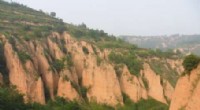
* Erosional Landforms: Formed by the weathering and erosion of existing landforms, like canyons, mesas, and beaches.
* Depositional Landforms: Formed by the deposition of sediments, like deltas, sand dunes, and alluvial fans.
* Glacial Landforms: Formed by the movement of glaciers, like cirques, moraines, and U-shaped valleys.
2. Morphology:
* Mountains: Elevated landforms with steep slopes.
* Valleys: Depressions in the land, typically with a stream or river flowing through them.
* Plateaus: Elevated, flat areas of land.
* Plains: Flat or gently sloping areas of land.
* Canyons: Deep, narrow valleys, often formed by rivers.
3. Elevation:
* High-elevation landforms: Mountains, plateaus, and some hills.
* Low-elevation landforms: Plains, valleys, and some beaches.
4. Material:
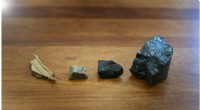
* Rock landforms: Formed from rock, like mountains, cliffs, and canyons.
* Sedimentary landforms: Formed from sediments, like sand dunes, deltas, and alluvial fans.
* Glacial landforms: Formed from ice, like moraines, cirques, and drumlins.
5. Geomorphological Processes:
* Fluvial landforms: Formed by rivers, like meanders, oxbow lakes, and floodplains.
* Aeolian landforms: Formed by wind, like sand dunes, loess deposits, and yardangs.
* Coastal landforms: Formed by the action of waves and tides, like beaches, cliffs, and spits.
6. Climate:
* Arid landforms: Formed in dry climates, like canyons, mesas, and playas.
* Humid landforms: Formed in wet climates, like valleys, hills, and forests.
7. Human Impact:
* Anthropogenic landforms: Formed by human activities, like mines, dams, and landfills.
Classifying landforms is not a rigid system, and often multiple factors are considered simultaneously. This allows scientists to understand the complex interactions between geological processes, climate, and human impact in shaping the Earth's surface.