Geological Events:
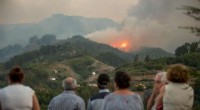
* Volcanic Eruptions: Molten rock (magma) rising from the Earth's interior erupts at the surface, spewing ash, gas, and lava. This can cause:
* Formation of new landmasses: Volcanic eruptions create new islands and land formations over time.
* Climate change: Volcanic ash and gases released into the atmosphere can reflect sunlight, temporarily cooling the planet.
* Air quality issues: Ash and gas can cause respiratory problems and disrupt air travel.
* Earthquakes: The movement of tectonic plates along fault lines causes earthquakes. These can:
* Shift the Earth's surface: Earthquakes can uplift or lower land, create new valleys, and cause landslides.
* Trigger tsunamis: Large underwater earthquakes can generate massive waves that cause devastating damage to coastal areas.
* Damage infrastructure: Earthquakes can destroy buildings, roads, and other structures.
* Plate Tectonics: The slow movement of tectonic plates over millions of years is responsible for:
* Mountain building: When plates collide, they can push up mountains like the Himalayas.
* Continental drift: The movement of continents across the globe has shaped the Earth's surface and created land masses as we know them.
* Formation of ocean basins: Diverging plates create rifts where new ocean floor is formed.
Geochemical Events:
* Magma Movement: The movement of magma beneath the Earth's surface can influence:
* Geothermal activity: Magma heats groundwater, creating geothermal springs and areas with high heat flow.
* Mineral deposits: Magma can carry dissolved minerals that crystallize and form valuable deposits.
* Mantle Convection: The circulation of hot, molten rock in the Earth's mantle drives plate tectonics and influences:
* Volcanic hotspots: Areas where magma rises from deep within the mantle create volcanic chains like the Hawaiian islands.
* Magnetic field: The movement of molten iron in the Earth's core generates the magnetic field that protects us from harmful solar radiation.
Climate and Environmental Impacts:
* Greenhouse Gases: Volcanic eruptions release greenhouse gases like carbon dioxide and sulfur dioxide. These gases can trap heat in the atmosphere, contributing to climate change.
* Ocean Circulation: Changes in the Earth's interior can affect ocean currents, which play a vital role in regulating global climate patterns.
* Biodiversity: Geological events can create new habitats and isolate populations, leading to evolution and the development of new species.
Other Impacts:
* Natural Resources: The Earth's interior provides us with valuable resources such as oil, natural gas, and minerals.
* Human Activity: Understanding the processes within the Earth helps us mitigate the risks of natural disasters and develop sustainable practices for resource extraction.
In conclusion, events within the Earth's interior are intimately connected to what happens on the surface, shaping our planet's landscape, climate, and life.