Weather describes the short-term atmospheric conditions at a particular time and place. These conditions are described by various properties, including:
1. Temperature: The degree of hotness or coldness of the air. It's measured in degrees Celsius (°C) or Fahrenheit (°F).
2. Humidity: The amount of moisture in the air. It's measured as a percentage of the maximum amount of moisture the air can hold at a given temperature.
3. Precipitation: Any form of water falling from the atmosphere to the Earth's surface, including:
* Rain: Liquid water falling from clouds.
* Snow: Frozen water falling from clouds.
* Hail: Frozen water falling from clouds in the form of balls of ice.
* Sleet: Frozen raindrops falling from clouds.
4. Wind: The movement of air horizontally across the Earth's surface. Measured by speed (miles per hour, kilometers per hour) and direction (North, South, East, West).
5. Air Pressure: The weight of the atmosphere pressing down on the Earth's surface. Measured in millibars (mb) or inches of mercury (inHg).
6. Cloud Cover: The amount of the sky that is covered by clouds. Measured in oktas, where 1 okta represents 1/8 of the sky.
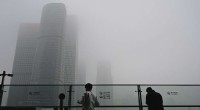
7. Visibility: The distance you can see clearly through the air. Measured in kilometers or miles.
8. Solar Radiation: The amount of sunlight reaching the Earth's surface. Measured in watts per square meter (W/m²).
These properties are constantly changing, leading to the dynamic and ever-changing nature of weather. They influence each other and are affected by various factors like geographic location, altitude, season, and time of day.