Climate Change:
* Increased temperatures: This can impact plant and animal life, leading to shifts in species distribution, altered migration patterns, and increased risk of wildfires.
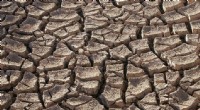
* Changes in precipitation: Droughts and floods can threaten water resources, affect plant growth, and disrupt wildlife habitats.
* Sea level rise: Coastal parks face rising sea levels, which can lead to erosion, saltwater intrusion, and habitat loss for coastal species.
Pollution:
* Air pollution: Smoke from wildfires, industrial emissions, and vehicle exhaust can degrade air quality, harming plants and animals.
* Water pollution: Runoff from agriculture, urban areas, and industrial facilities can contaminate waterways, harming aquatic life and impacting drinking water sources.
* Light pollution: Artificial light at night can disrupt the natural rhythms of nocturnal animals and impact stargazing opportunities.
Invasive Species:
* Non-native plants and animals: Introduced species can outcompete native species, disrupt ecosystems, and spread disease.
* Disease: Invasive species can carry diseases that can harm native wildlife populations.
Habitat Loss and Fragmentation:
* Development: Urban sprawl and development can encroach on park boundaries, fragmenting habitats and reducing wildlife populations.
* Overgrazing: Livestock grazing can degrade vegetation, reduce biodiversity, and alter natural processes.
* Recreation: Excessive use by visitors can damage trails, trample vegetation, and disturb wildlife.
Natural Disasters:
* Wildfires: Climate change and human activity can increase the frequency and intensity of wildfires, damaging ecosystems and impacting wildlife populations.
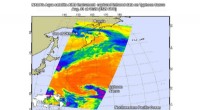
* Floods: Heavy rainfall and storms can cause flooding, damaging infrastructure and displacing wildlife.
* Droughts: Prolonged periods of low rainfall can lead to water shortages, affecting plant and animal life.
Resource Management:
* Water scarcity: Some parks face challenges in managing water resources, especially in arid regions.
* Overuse: Some areas within parks can experience overcrowding and overuse, impacting resources and visitor experience.
Other Issues:
* Noise pollution: Excessive noise from vehicles, aircraft, and visitors can disrupt wildlife behavior and reduce the park's natural soundscape.
* Trash and litter: Improper disposal of waste can pollute the environment and impact wildlife.
Solutions:
National parks are working to address these issues through a variety of strategies, including:
* Conservation and restoration efforts: Restoring damaged ecosystems and protecting sensitive habitats.
* Monitoring and research: Understanding the impacts of environmental changes on park resources and developing effective management strategies.
* Public education and outreach: Educating visitors about environmental issues and promoting responsible behavior.
* Collaboration: Working with partners and local communities to address shared environmental challenges.
Protecting national parks is crucial for preserving biodiversity, providing recreational opportunities, and ensuring a healthy environment for future generations.