1. Pioneer Species:
* The process usually begins with bare land such as a recently exposed rock face, sand dunes, or volcanic ash.
* Pioneer species (like lichens, mosses, and ferns) are the first organisms to colonize these areas.
* They break down rock, creating soil and providing organic matter, gradually changing the environment.
2. Early Succession:
* As soil develops, grasses and small shrubs emerge, further enriching the soil and providing shade.
* This stage is characterized by rapid growth and change, with new species constantly appearing.
3. Mid-Succession:
* Over time, taller trees begin to establish themselves, competing for sunlight and resources.
* This stage features a mix of trees and shrubs, with a greater diversity of species.
4. Climax Community:
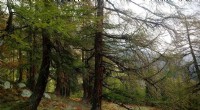
* Eventually, the forest reaches a stable state called the climax community.
* This stage is dominated by mature trees specific to the climate and geography, and the ecosystem is in balance.
* This process can take hundreds or even thousands of years depending on the environment.
Factors Affecting Forest Development:
* Climate: Temperature, precipitation, and sunlight all influence the types of plants that can grow in an area.
* Soil: The type of soil determines the availability of nutrients and water.
* Disturbances: Natural events like wildfires, floods, and windstorms can reset the succession process.
* Human activity: Deforestation, pollution, and climate change can significantly alter forest ecosystems.
It's important to note that forest development is a continuous process. Even in a climax community, disturbances can occur, leading to further changes and adaptations. Forests are constantly evolving, and their complex dynamics make them vital for the health of our planet.