Modern conservation goes beyond simply preserving nature in its pristine state. It's a dynamic and evolving approach that recognizes the complex interplay between humans and the environment, and aims to:
1. Protect Biodiversity:
* Focus on key ecosystems: Identifying and safeguarding areas critical for biodiversity, not just "pretty" landscapes.
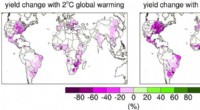
* Addressing climate change: Recognizing its profound impact on ecosystems and species, implementing strategies for mitigation and adaptation.
* Combating poaching and illegal wildlife trade: Tackling these threats through collaborative efforts and strengthening legal frameworks.
2. Promote Sustainable Development:
* Integrating conservation into development: Finding ways to create economic opportunities that don't harm the environment.
* Working with local communities: Empowering them to be stewards of their land and resources, ensuring benefits are shared fairly.
* Promoting sustainable agriculture and forestry: Shifting to practices that minimize environmental impact and support livelihoods.
3. Engage People in Conservation:
* Building awareness and understanding: Educating the public about conservation challenges and solutions.
* Promoting citizen science: Encouraging public participation in data collection and research.
* Leveraging technology: Utilizing digital tools to monitor ecosystems, connect people, and raise awareness.
4. Adaptive Management:
* Continuously learning and adapting: Monitoring environmental changes and adjusting conservation strategies based on new data.
* Adopting innovative solutions: Exploring novel approaches to address emerging conservation challenges.
* Promoting collaboration and partnerships: Working across sectors and disciplines to achieve common goals.
Key Characteristics of Modern Conservation:
* Human-centered: Acknowledging the crucial role humans play in shaping the environment.
* Solution-oriented: Focusing on finding practical and effective solutions to conservation challenges.
* Data-driven: Relying on scientific evidence and monitoring to guide decision-making.
* Collaborative: Building partnerships between governments, communities, organizations, and individuals.
Examples of Modern Conservation in Action:
* Community-based conservation projects: Local communities managing and benefiting from protected areas.
* Payments for ecosystem services (PES): Financial incentives for landowners to conserve valuable habitats.
* Sustainable tourism: Eco-friendly travel that contributes to conservation efforts.
* Restoration projects: Rehabilitating degraded ecosystems to enhance biodiversity and ecosystem services.
In summary, modern conservation is a dynamic and evolving field that seeks to protect biodiversity, promote sustainable development, engage people in conservation, and adapt to changing environmental conditions. It's a vital approach for ensuring a healthy planet for current and future generations.