1. Nutrient Cycling:
* Land to Ocean: Rivers carry nutrients from the land, such as nitrogen and phosphorus, into the ocean. This influx of nutrients fuels phytoplankton growth, forming the base of the marine food web.
* Ocean to Land: Seabirds and marine mammals transport nutrients from the ocean to land through their excrement, enriching coastal ecosystems.
2. Climate Regulation:
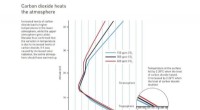
* Ocean's Role: Oceans absorb a significant amount of carbon dioxide from the atmosphere, mitigating climate change. They also influence weather patterns and global temperature distribution.
* Land's Role: Forests act as carbon sinks, absorbing carbon dioxide and releasing oxygen. Deforestation can disrupt this balance and exacerbate climate change, impacting ocean ecosystems.
3. Biodiversity and Food Webs:
* Interconnected Species: Many species rely on both land and ocean ecosystems for survival. For example, migratory birds feed on insects and fish, while marine turtles lay eggs on beaches.
* Coastal Ecosystems: Mangrove forests, seagrass beds, and coral reefs serve as critical breeding grounds and nurseries for marine species, while also protecting coastal areas from erosion.
4. Physical Processes:
* Coastal Erosion and Sedimentation: Land erosion by rivers and wind carries sediment into the ocean, influencing coastline formation and marine habitats.
* Ocean Currents: Ocean currents transport nutrients, organisms, and heat around the globe, influencing weather patterns and affecting land ecosystems.
5. Human Impact:
* Pollution: Runoff from agriculture and industrial activities carries pollutants into the ocean, harming marine life.
* Overfishing: Excessive fishing pressure can disrupt marine food webs and have cascading effects on land-based ecosystems.
Examples of Connections:
* Salmon: These fish spend their lives in both freshwater and saltwater ecosystems. They spawn in rivers, migrate to the ocean to feed, and return to their spawning grounds to reproduce.
* Seabirds: Birds like albatrosses and gulls rely on the ocean for food but nest and raise their young on land.
* Coral Reefs: These delicate ecosystems rely on land runoff for essential nutrients but are also highly susceptible to pollution from land-based sources.
Understanding the complex interconnectedness of land and ocean ecosystems is crucial for sustainable management and conservation efforts. Protecting one ecosystem is crucial for the health and well-being of the other.