1. Understanding Environmental Issues:
* Monitoring and Data Collection: Scientists use sophisticated instruments and techniques to monitor air, water, and soil quality, track changes in biodiversity, and assess the impact of human activities on ecosystems.
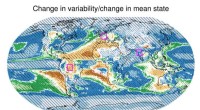
* Modeling and Prediction: By using computer models and data analysis, scientists can predict the effects of climate change, pollution, and other environmental stressors.
* Understanding Ecosystem Dynamics: Researchers study the complex interactions within ecosystems to understand how they function and how human activities impact them.
2. Developing Solutions:
* Renewable Energy: Science drives the development of renewable energy sources like solar, wind, and geothermal power, reducing our reliance on fossil fuels.
* Sustainable Agriculture: Scientific research leads to practices like crop rotation, organic farming, and precision agriculture, promoting food production while minimizing environmental impact.
* Pollution Control: Scientists design technologies to filter pollutants from air and water, reduce emissions from industries, and develop sustainable waste management systems.
* Conservation and Restoration: Scientific understanding informs conservation efforts to protect endangered species, restore degraded ecosystems, and manage natural resources sustainably.
* Climate Change Mitigation: Research on climate change provides insights into the causes, impacts, and potential solutions for mitigating climate change, including carbon capture and storage, renewable energy deployment, and sustainable land management.
3. Public Policy and Decision Making:
* Scientific evidence: Scientific research provides the evidence base for informed policy decisions regarding environmental protection, resource management, and climate action.
* Environmental regulations: Regulations are developed based on scientific understanding to control pollution, protect endangered species, and manage natural resources.
* Public awareness: Science communication plays a crucial role in educating the public about environmental issues and promoting responsible behaviors.
Examples:
* Satellite imagery helps scientists monitor deforestation, track pollution, and assess the health of coral reefs.
* Genetic engineering is used to develop crops that are resistant to pests and diseases, reducing the need for pesticides and herbicides.
* Climate models predict future climate scenarios and inform policies aimed at mitigating climate change.
* Bioremediation uses microorganisms to clean up contaminated soil and water.
In short, science is essential for understanding the complexities of the environment, developing sustainable solutions, and informing policy decisions that protect our planet. By harnessing the power of scientific inquiry, we can create a more sustainable and resilient future for all.