* Earth Science: This broad field encompasses geology, meteorology, oceanography, and many other disciplines that study the Earth's physical systems. It includes studying Earth's atmosphere, oceans, landforms, and natural resources.
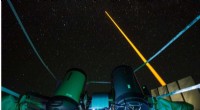
* Astronomy: This is the study of celestial objects, including planets, stars, galaxies, and other phenomena in space. Astronomers study the formation and evolution of these objects, as well as the physical processes that govern them.
* Astrophysics: This branch of astronomy focuses on the physical properties of celestial objects, including their composition, structure, and evolution. It utilizes the principles of physics to understand phenomena like stellar evolution, black holes, and the origin of the universe.
* Planetary Science: This field specifically focuses on the study of planets, both within and beyond our solar system. Planetary scientists investigate the formation, composition, geology, atmosphere, and potential for life on other planets.
* Space Science: This encompasses a wide range of disciplines related to the study of space, including astrophysics, planetary science, and the study of space environments. It includes topics like spacecraft engineering, space exploration, and the effects of space on human health.
These disciplines all contribute to our understanding of Earth and its place within the universe. While they are distinct fields, they are interconnected and often collaborate to address questions about the origin and evolution of our planet and the solar system.