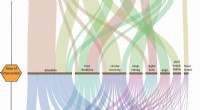
Here's a breakdown:
* O Horizon (Organic Layer): This is the top layer, rich in decaying organic matter. It's home to decomposers like bacteria, fungi, and invertebrates (earthworms, millipedes). They break down dead plants and animals, releasing nutrients back into the soil.
* A Horizon (Topsoil): This layer is a mix of minerals and organic matter, making it fertile for plant growth. It's also home to a diverse community, including roots, microorganisms, insects, and small animals.
* E Horizon (Eluviated Layer): This layer has been leached of minerals and organic matter, making it less fertile. It's not as populated as the O and A horizons, but may have some microorganisms present.
* B Horizon (Subsoil): This layer is richer in minerals and clay than the topsoil. While it's less hospitable to many plants and animals, it can still harbor burrowing organisms and some microorganisms.
* C Horizon (Parent Material): This layer is made up of weathered rock, the source of the soil. It's generally not as fertile as the upper layers and may contain microorganisms and some burrowing animals.
Organisms are found throughout the soil profile, but their abundance and type depend on the specific horizon.
Important Note: The exact horizons and their characteristics can vary greatly depending on the type of soil and location.