Ecological degradation refers to the deterioration of the environment through depletion of resources, such as soil, water, and air, and the destruction of ecosystems. This process is driven by human activities, often leading to negative consequences for both the environment and human well-being.
Here's a breakdown of key aspects:
Causes:
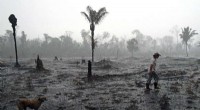
* Deforestation: Clearing forests for agriculture, logging, and urbanization.
* Pollution: Air, water, and soil contamination from industrial waste, chemicals, and agricultural runoff.
* Overgrazing: Excessive livestock grazing depletes vegetation and exposes soil to erosion.
* Unsustainable agriculture: Practices like monoculture and excessive use of fertilizers and pesticides harm soil health and biodiversity.
* Climate change: Rising temperatures, altered precipitation patterns, and extreme weather events disrupt ecosystems and lead to habitat loss.
* Urban sprawl: Expansion of cities into natural areas leads to habitat fragmentation and pollution.
* Mining: Extraction of minerals and fossil fuels often damages landscapes and pollutes water sources.
Consequences:
* Biodiversity loss: Loss of species, habitats, and genetic diversity.
* Soil erosion: Degradation of soil fertility, leading to reduced agricultural productivity.
* Water pollution: Contamination of water sources, affecting human health and aquatic life.
* Air pollution: Respiratory problems, health issues, and climate change.
* Climate change: Increased greenhouse gas emissions, leading to global warming and its devastating effects.
* Desertification: Conversion of fertile land into unproductive desert-like conditions.
* Decreased ecosystem services: Loss of benefits humans receive from nature, such as clean air, water, and pollination.
Solutions:
* Sustainable land management: Practices like agroforestry, sustainable agriculture, and forest restoration.
* Pollution reduction: Implementing stricter regulations and promoting cleaner technologies.
* Conservation efforts: Protecting biodiversity and restoring degraded ecosystems.
* Climate change mitigation: Reducing greenhouse gas emissions and adapting to climate change impacts.
* Raising awareness: Educating the public about ecological degradation and promoting sustainable practices.
In conclusion, ecological degradation is a complex issue with far-reaching consequences. Addressing this challenge requires a multifaceted approach involving individuals, governments, and businesses working together to create a more sustainable future.