Environmental Benefits:
* Carbon Sequestration: Trees absorb carbon dioxide from the atmosphere, mitigating climate change.
* Air Quality Improvement: Trees filter pollutants and release oxygen, improving air quality.
* Water Conservation: Trees help reduce runoff and soil erosion, conserving water resources.
* Habitat Restoration: Trees provide shelter and food sources for wildlife, restoring biodiversity.
* Soil Health Improvement: Tree roots improve soil structure and fertility, increasing its ability to hold water and nutrients.
Social and Economic Benefits:
* Community Enhancement: Trees can enhance the aesthetics and recreational value of parks, streets, and neighborhoods.
* Property Value Increase: Trees can increase property values by improving curb appeal and providing shade.
* Economic Development: Tree planting projects can create jobs and stimulate local economies.
* Health and Well-being: Trees can reduce stress, improve mood, and promote physical activity.
Specific Goals:
* Reforestation: Restoring degraded forest areas by planting new trees.
* Afforestation: Planting trees in areas that were not previously forested.
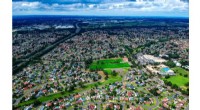
* Urban Greening: Planting trees in cities to improve urban environments.
* Agroforestry: Integrating trees into agricultural systems to provide benefits like shade, windbreaks, and soil fertility.
* Climate Change Mitigation: Planting trees specifically to absorb carbon dioxide and mitigate climate change.
Ultimately, the main objective of tree planting is to create a more sustainable and healthy environment for all living things.