1. Resource Exploitation and Depletion:
* Overconsumption: Humans have a voracious appetite for resources, leading to depletion of forests, fisheries, and mineral reserves. This puts pressure on ecosystems and threatens the livelihoods of communities dependent on them.
* Pollution: Industrial activities, agriculture, and waste generation contaminate air, water, and soil, harming both human health and biodiversity.
* Climate Change: The burning of fossil fuels and other human activities have drastically altered the Earth's climate, leading to rising sea levels, extreme weather events, and disruptions to ecosystems.
2. Habitat Destruction and Biodiversity Loss:
* Deforestation: Large-scale clearing of forests for agriculture, logging, and urban development destroys habitat and disrupts natural processes.
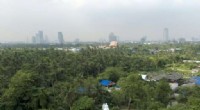
* Urbanization: The expansion of cities and infrastructure fragments habitats, isolates populations, and reduces biodiversity.
* Species Extinction: Human activities are driving countless species to extinction, disrupting food webs and ecosystem functions.
3. Human Health and Disease:
* Emerging Infectious Diseases: Deforestation and other human activities can bring humans into closer contact with wildlife, increasing the risk of zoonotic diseases.
* Environmental Toxins: Exposure to pollutants can lead to various health problems, including respiratory illnesses, cancer, and developmental disorders.
* Climate-related Health Impacts: Extreme heat, floods, and droughts can increase the spread of diseases and lead to malnutrition and displacement.
4. Ethical and Philosophical Perspectives:
* Human Domination: A long-standing anthropocentric view has often positioned humans as superior to nature, leading to a disregard for its intrinsic value.
* Sustainability and Stewardship: A growing movement advocates for responsible use of resources, conservation, and a more harmonious relationship with the natural world.
* Interdependence: Recognizing the interconnectedness of all living things and the vital role nature plays in sustaining life on Earth.
5. Navigating the Conflict:
* Sustainable Development: Striving for economic growth that meets current needs without compromising future generations' ability to meet their own.
* Conservation and Restoration: Protecting existing ecosystems and working to restore damaged ones.
* Environmental Justice: Ensuring that the benefits of environmental protection and the burdens of environmental damage are fairly distributed.
* Technological Innovation: Developing new technologies to reduce our environmental impact and create sustainable solutions.
The conflicts between man and nature are complex and require ongoing dialogue, collaboration, and a commitment to ethical stewardship. Addressing these conflicts is essential for ensuring the well-being of both humans and the planet.