Scientists:
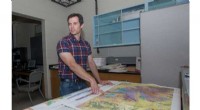
* Geologists: Study the Earth's rocks, minerals, and landforms. They might explore remote areas to collect samples or map geological features.
* Oceanographers: Explore the oceans, studying marine life, currents, and the ocean floor. They may use submersibles or research vessels for their explorations.
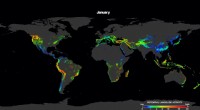
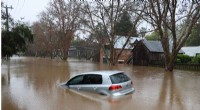
* Climatologists: Study the Earth's climate and climate change. They might travel to different regions to gather data and observe the effects of climate change on the environment.
Adventurers:
* Mountaineers: Explore the world's highest peaks, pushing the limits of human endurance.
* Explorers: Seek out uncharted territories, documenting new discoveries and challenging existing knowledge.
* Travelers: Explore the world to experience different cultures, landscapes, and ways of life.
Others:
* Environmentalists: Work to protect and preserve the Earth's natural resources and ecosystems. They might explore remote areas to study the impact of human activity on the environment.
* Archaeologists: Study the past by excavating ancient sites and analyzing artifacts. They might explore remote areas to find and document ancient civilizations.
It's important to remember that exploration is not limited to professionals! Many people explore the Earth simply by traveling to new places, experiencing different cultures, and learning about the world around them.
So, who is someone that explores the Earth? The answer is: Anyone who is curious about the world and wants to discover new things!