Solar Energy and Natural Hazards:
* Climate and Weather: The Sun's energy drives the Earth's climate system. Variations in solar radiation, like sunspots, can influence weather patterns and contribute to long-term climate change. These changes can lead to more frequent and intense heat waves, droughts, floods, and storms, which are all natural hazards.
* Ocean Currents: Solar energy influences ocean currents, which play a significant role in distributing heat around the globe. Changes in ocean currents can impact weather patterns, potentially leading to increased storm activity and other hazards.
* Wildfires: The Sun's heat and dry conditions it creates can contribute to wildfires. Dry vegetation easily ignites, and strong winds fueled by solar energy can spread fires rapidly.
* Volcanic Activity: While not directly caused by the Sun, solar energy does play a role in Earth's internal processes. The Sun's heat contributes to the Earth's internal heat flow, which can trigger volcanic eruptions and earthquakes.
Specific Examples:
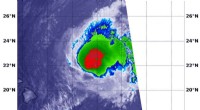
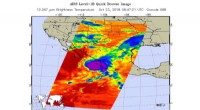
* Hurricanes: Solar energy fuels the evaporation of ocean water, providing the moisture and heat necessary for hurricanes to form.
* Droughts: A lack of solar energy reaching certain areas can lead to prolonged dry periods, causing droughts and wildfires.
* Heat Waves: Increased solar radiation can lead to extreme heat events, causing heat waves and heatstroke.
In Conclusion:
The Sun is the primary energy source for Earth. Its influence on climate, weather patterns, and even internal processes makes it a key factor in the occurrence and severity of natural hazards. Understanding the Sun's role is crucial for predicting and mitigating the risks posed by these hazards.