1. Vegetation:
* Carbon Sequestration: Plants absorb carbon dioxide from the atmosphere during photosynthesis, acting as a sink for greenhouse gases. Deforestation, on the other hand, releases carbon back into the atmosphere, contributing to global warming.
* Evapotranspiration: Plants release water vapor into the atmosphere through transpiration, influencing humidity levels and cloud formation.
* Albedo Effect: Forests and grasslands have a lower albedo (reflectivity) than deserts or snow, absorbing more solar radiation and contributing to warmer temperatures.
2. Oceans:
* Heat Transfer: Oceans store vast amounts of heat and distribute it globally through currents. This moderates temperatures in coastal areas and influences weather patterns.
* Evaporation: Oceans provide the source of water vapor for rain and snow, driving precipitation patterns.
* Salinity: Ocean salinity affects water density, influencing ocean currents and heat transfer.
3. Mountains:
* Orographic Lifting: Mountains force air upwards, causing it to cool and condense, leading to precipitation on the windward side. The leeward side often experiences a rain shadow effect with drier conditions.
* Albedo: Snow-covered mountains have a high albedo, reflecting sunlight and contributing to cooler temperatures.
4. Soil:
* Moisture Retention: Soil plays a vital role in storing and releasing water, influencing surface runoff and evaporation rates.
* Organic Matter: Soil organic matter influences water infiltration, nutrient cycling, and the release of greenhouse gases like methane.
5. Glaciers and Ice Sheets:
* Albedo Effect: Glaciers and ice sheets reflect sunlight back into space, contributing to a cooling effect.
* Sea Level Rise: Melting glaciers and ice sheets add water to the oceans, contributing to sea level rise and coastal flooding.
6. Minerals:
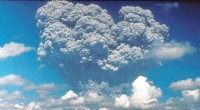
* Atmospheric Dust: Volcanic eruptions and dust storms can release mineral particles into the atmosphere, affecting cloud formation, precipitation patterns, and solar radiation.
7. Fossil Fuels:
* Greenhouse Gases: Burning fossil fuels releases carbon dioxide and other greenhouse gases into the atmosphere, trapping heat and contributing to climate change.
In Summary:
The interplay between natural resources and weather/climate is complex and dynamic. Their influence is multifaceted and interconnected, impacting factors like temperature, precipitation, wind patterns, and even the very composition of the atmosphere. Understanding these relationships is crucial for addressing climate change and managing natural resources sustainably.