1. Individuals:
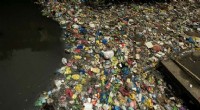
* Consumer Choices: We contribute to pollution through the products we buy, the energy we use, and the waste we generate. For example, driving a gas-powered car, buying single-use plastic, or throwing away food all contribute to pollution.
* Lifestyle: Our travel choices, eating habits, and energy consumption in our homes all impact the environment.
2. Industries:
* Manufacturing: Industries that produce goods often release harmful pollutants into the air, water, and soil.
* Agriculture: Industrial farming practices contribute to air and water pollution through fertilizers, pesticides, and livestock waste.
* Fossil Fuel Extraction and Use: Burning fossil fuels for electricity and transportation is a major source of greenhouse gases.
3. Governments:
* Policies and Regulations: Government policies and regulations can encourage or discourage sustainable practices. Weak environmental regulations can lead to increased pollution.
* Infrastructure: Lack of proper infrastructure for waste management and renewable energy can contribute to pollution.
4. Climate Change:
* Natural Disasters: Extreme weather events like floods and droughts can cause damage that leads to pollution.
It's important to remember:
* Responsibility is shared: Every individual, industry, and government has a role to play in reducing pollution.
* Solutions require collaboration: Addressing pollution requires collective action to reduce our individual and collective environmental impact.
Instead of focusing on who is "to blame," we should focus on what we can all do to be part of the solution.