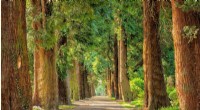
Evergreen Trees:
* Rainforest Trees:
* Mahogany (Swietenia macrophylla): Valued for its beautiful wood.
* Teak (Tectona grandis): Highly durable wood used for furniture and construction.
* Rubber Tree (Hevea brasiliensis): Source of natural rubber.
* Cedar (Cedrus): Known for its fragrant wood and long lifespan.
* Ebony (Diospyros ebenum): Highly prized for its dark, dense wood.
* Mango (Mangifera indica): Produces delicious fruit.
* Banyan (Ficus benghalensis): Known for its massive, spreading branches.
* Palm Trees (Arecaceae): Diverse group of trees, including coconut palms, date palms, and oil palms.
* Tropical Deciduous Trees:
* Sal (Shorea robusta): A hardwood tree that sheds its leaves during the dry season.
* Teak (Tectona grandis): Also found in this zone, but sheds its leaves during the dry season.
* Neem (Azadirachta indica): Known for its medicinal properties.
Other Trees:
* Bamboo (Bambusoideae): A type of grass that grows in dense clumps.
* Acacia (Acacia): A diverse group of trees with a variety of uses, including wood, gum, and tannins.
* Eucalyptus (Eucalyptus): Known for their tall, slender trunks and fragrant leaves.
* Baobab (Adansonia digitata): A large, iconic tree with a thick, water-storing trunk.
Factors Affecting Tree Growth in the Torrid Zone:
* High temperatures: Trees in the torrid zone need to adapt to high temperatures and intense sunlight.
* Abundant rainfall: The high rainfall provides trees with the water they need to thrive.
* Soil conditions: The type of soil plays a role in which trees can grow in the torrid zone.
* Altitude: Trees at higher altitudes may experience different temperature and rainfall patterns.
This is just a small selection of the many trees that can be found in the torrid zone. The specific types of trees that grow in a particular area will depend on the local climate, soil conditions, and other factors.