1. Land Use Changes:
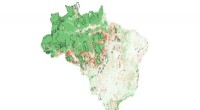
* Deforestation: Clearing forests for agriculture, logging, or urban development alters the landscape, reducing biodiversity, impacting soil quality, and affecting water cycles.
* Urbanization: Building cities and infrastructure leads to habitat fragmentation, pollution, and increased heat island effects, affecting local climate.
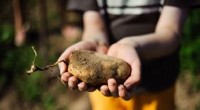
* Agriculture: Intensive farming practices can deplete soil nutrients, increase erosion, and pollute water sources.
* Mining: Extracting minerals can leave behind scars on the landscape, pollute water sources, and displace wildlife.
2. Resource Extraction:
* Fossil Fuels: Burning fossil fuels for energy releases greenhouse gases, contributing to climate change, and impacting air quality.
* Water Use: Over-extraction of groundwater can lead to land subsidence, saltwater intrusion, and depletion of water resources.
3. Pollution:
* Air Pollution: Industrial emissions, vehicle exhaust, and burning fossil fuels contribute to smog, acid rain, and respiratory problems.
* Water Pollution: Industrial and agricultural runoff, sewage discharge, and plastic waste contaminate water sources, affecting ecosystems and human health.
* Soil Pollution: Pesticides, fertilizers, and industrial waste can contaminate soil, harming plant life and posing risks to human health.
4. Climate Change:
* Greenhouse Gas Emissions: Human activities, particularly burning fossil fuels, release greenhouse gases, trapping heat and causing global warming. This can lead to rising sea levels, extreme weather events, and shifts in ecosystems.
* Feedback Loops: Climate change can also affect human activity. For example, rising temperatures can increase the frequency and intensity of wildfires, further releasing greenhouse gases.
5. Infrastructure Development:
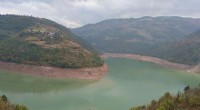
* Dams: Building dams can control water flow, generate hydroelectric power, and create reservoirs. However, they can also disrupt natural river ecosystems, displace communities, and contribute to sedimentation.
* Roads: Road construction can fragment habitats, increase erosion, and facilitate invasive species spread.
6. Conservation and Restoration:
* Protected Areas: Establishing national parks, wildlife sanctuaries, and other protected areas can help conserve biodiversity and maintain ecosystem services.
* Reforestation: Planting trees can help restore degraded landscapes, combat desertification, and mitigate climate change.
Examples:
* The Great Barrier Reef, Australia, faces threats from climate change, pollution, and overfishing.
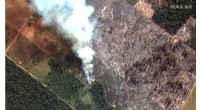
* The Amazon Rainforest, South America, is being cleared for agriculture and logging, impacting biodiversity and contributing to climate change.
* The Aral Sea, Central Asia, has shrunk dramatically due to over-extraction of water for irrigation, leading to ecological and economic hardship.
Conclusion:
Human interaction with the physical environment has both positive and negative impacts on the features of a region. It's crucial to understand these impacts, adopt sustainable practices, and prioritize conservation efforts to ensure a healthy and sustainable future for our planet.