1. Nutrient Cycling and Energy Flow:
* Biosphere (Living Things) and Geosphere (Rocks, Soil): Plants draw nutrients from the soil (geosphere) and release them back into the atmosphere through decomposition (biosphere).
* Hydrosphere (Water) and Biosphere: Water carries nutrients throughout the ecosystem, while organisms use water for survival.
* Atmosphere (Air) and Biosphere: Photosynthesis removes carbon dioxide from the atmosphere and releases oxygen, which is essential for breathing.
2. Climate Regulation:
* Hydrosphere and Atmosphere: Water vapor in the atmosphere acts as a greenhouse gas, trapping heat and moderating temperatures.
* Biosphere and Atmosphere: Plants absorb carbon dioxide, helping regulate the Earth's temperature.
* Cryosphere (Ice and Snow) and Atmosphere: Ice reflects sunlight, helping cool the Earth.
3. Ecosystem Services:
* Biosphere and Atmosphere: Forests provide oxygen, filter air pollutants, and prevent soil erosion.
* Hydrosphere and Biosphere: Oceans regulate climate, provide food and resources, and support biodiversity.
4. Human Impact:
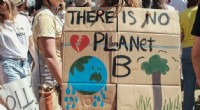
* Human activities impact all realms: Deforestation, pollution, and climate change disrupt the delicate balance between Earth's realms.
* Interdependence highlights the need for sustainable practices: Protecting one realm requires protecting all others.
In short, the interconnectedness of Earth's realms ensures the survival of our planet and all its inhabitants. Disrupting this balance can lead to severe consequences, emphasizing the importance of understanding and protecting these vital interrelationships.