Here's a breakdown:
* During the day: The sun warms the land more quickly than the sea, creating a low-pressure zone over the land and a high-pressure zone over the sea. This results in a sea breeze, blowing from the sea towards the land.
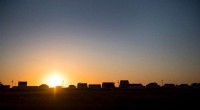
* At night: The land cools faster than the sea, reversing the pressure difference. The land now has higher pressure than the sea, and the wind blows from the land towards the sea, creating a land breeze.
Key characteristics of a land breeze:
* Direction: From land to sea
* Time: Occurs at night
* Cause: Difference in temperature and pressure between land and sea
* Strength: Usually weaker than sea breezes
Land breezes are typically gentle and localized, affecting areas near the coastline. They can be important for coastal communities, influencing local weather patterns and providing a cooling effect during the night.