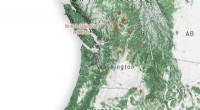
Why forests might feel cooler:
* Shade: Trees block sunlight, which reduces the amount of solar radiation reaching the forest floor. This leads to lower temperatures compared to open areas.
* Evapotranspiration: Trees release water vapor through their leaves, which cools the surrounding air. This process, called evapotranspiration, is similar to sweating in humans.
* Canopy Structure: The dense canopy of a forest creates a microclimate with lower wind speeds. Wind can help circulate warm air, so a lack of wind contributes to the cooler feel.
* Ground Cover: Forests have more organic matter on the ground (leaves, fallen branches, etc.), which can insulate the soil and reduce heat transfer from the ground to the air.
About Oxygen:
* Oxygen Production: Trees do produce oxygen, but the amount they release is not significant enough to affect air temperature directly.
* Oxygen and Temperature: Oxygen itself doesn't directly influence temperature. However, oxygen's presence is crucial for respiration, which releases heat as a byproduct. This heat release is minimal in the context of overall forest temperature.
Key Takeaways:
* The cooler feel of forests is primarily due to shade, evapotranspiration, canopy structure, and ground cover, not oxygen.
* It's not a universal rule that forests are always colder. Factors like latitude, time of day, and weather conditions can affect the temperature differences.
Let me know if you have more questions!