Evergreen forests, characterized by trees that retain their leaves year-round, play a crucial role in maintaining the health of our planet and supporting human life. They are essential for:
Environmental Benefits:
* Climate Regulation: Evergreen forests act as massive carbon sinks, absorbing carbon dioxide from the atmosphere and mitigating climate change.
* Water Cycle Regulation: They help regulate the water cycle by storing water and releasing it slowly, preventing floods and droughts.
* Soil Health: They prevent soil erosion and contribute to the formation of rich, fertile soil.
* Biodiversity: They provide habitats for a wide variety of plants and animals, supporting intricate ecosystems.
* Air Quality: They release oxygen into the atmosphere and filter pollutants, improving air quality.
Economic Benefits:
* Timber and Wood Products: Evergreen forests provide a sustainable source of timber and wood products for construction, furniture, and paper.
* Tourism and Recreation: They offer recreational opportunities for hiking, camping, fishing, and wildlife viewing, boosting local economies.
* Medicinal Resources: Many plants found in evergreen forests have medicinal properties used in traditional and modern medicine.
Cultural and Social Benefits:
* Spiritual and Cultural Significance: Evergreen forests hold deep cultural and spiritual significance for many indigenous communities around the world.
* Aesthetic Value: Their beauty and tranquility offer aesthetic and recreational value for people of all backgrounds.
Specific Examples:
* Boreal Forests: These vast, cold forests in the northern hemisphere play a significant role in regulating the global climate and supporting a unique ecosystem.
* Tropical Rainforests: These highly biodiverse forests provide vital resources and habitat for a large proportion of the world's species.
* Temperate Rainforests: These lush forests in temperate regions provide significant timber resources and are essential for salmon populations.
Threats to Evergreen Forests:
* Deforestation: Clearing forests for agriculture, logging, and urban development poses a significant threat to evergreen forests.
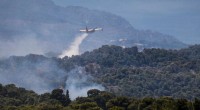
* Climate Change: Rising temperatures, changing precipitation patterns, and increased wildfires threaten the health and survival of these forests.
* Pollution: Air and water pollution can harm trees and wildlife within these forests.
Conclusion:
Evergreen forests are vital for maintaining a healthy planet and supporting human life. By understanding their importance and taking steps to protect them, we can ensure their continued existence for future generations.