1. Distance from the Sun: Earth is located in the "Goldilocks Zone," a region where temperatures are just right for liquid water to exist. This distance allows for the presence of liquid water, crucial for life as we know it.
2. Atmosphere: Earth's atmosphere is composed primarily of nitrogen and oxygen, which are essential for breathing and photosynthesis. The atmosphere also acts as a protective shield from harmful radiation from the sun.
3. Magnetic Field: Earth's magnetic field protects the planet from solar wind, which can strip away the atmosphere. This magnetic field is generated by the Earth's molten core.
4. Liquid Water: Earth has abundant liquid water, which is essential for all known life forms. Water acts as a solvent, allowing for chemical reactions to occur, and also plays a vital role in transporting nutrients and removing waste.
5. Plate Tectonics: Earth's crust is divided into plates that move and interact. This process, known as plate tectonics, contributes to the formation of mountains, volcanoes, and earthquakes. It also plays a role in regulating Earth's climate and releasing nutrients from the Earth's interior.
6. Diverse Ecosystems: Earth boasts a wide variety of ecosystems, from the depths of the oceans to the heights of mountains. This diversity provides a wide range of habitats for different life forms.
7. Organic Molecules: Earth is rich in organic molecules, the building blocks of life. These molecules are found in the atmosphere, oceans, and rocks.
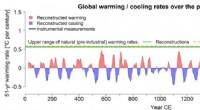
8. Stable Climate: Earth's climate has been relatively stable for millions of years, allowing for life to evolve and flourish.
9. Suitable Gravity: Earth's gravity is strong enough to hold onto its atmosphere and prevent it from escaping into space.
10. Lunar Influence: The Moon exerts a stabilizing influence on Earth's rotation, preventing dramatic shifts in its tilt and thus maintaining a relatively stable climate.
It's important to note that this is not an exhaustive list, and many other factors contribute to the habitability of Earth. The combination of these properties creates a unique and complex system that supports life as we know it.