1. Outgassing:
* Theory: Earth's interior, rich in hydrogen and oxygen, released water vapor through volcanic activity early in its history. This vapor condensed and formed the oceans.
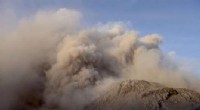
* Evidence: Volcanic eruptions continue to release water vapor today, and early Earth experienced much more volcanic activity.
2. Comets and Asteroids:
* Theory: Comets and asteroids, composed of ice and other materials, bombarded early Earth, bringing water with them.
* Evidence: Comets and asteroids are known to contain water ice. Studying the isotopic composition of Earth's water suggests it's similar to that found in some comets.
3. Solar Nebula:
* Theory: Water molecules were present in the cloud of gas and dust that formed the solar system (the solar nebula). These molecules were incorporated into Earth during its formation.
* Evidence: Water is a relatively common molecule in the universe, and evidence suggests it was present in the solar nebula.
4. Combination of Sources:
* Theory: It's likely that a combination of these processes contributed to Earth's water. For example, outgassing may have played a larger role in initially forming oceans, while comets and asteroids later replenished the water supply.
Ongoing Research:
* Scientists continue to investigate the origin of Earth's water through studying meteorites, comets, and the composition of the Earth's interior.
* Missions like the Rosetta spacecraft to comet 67P/Churyumov-Gerasimenko provide valuable information about the composition of comets and their potential role in delivering water to Earth.
The origin of Earth's water remains a complex and fascinating scientific question, but scientists are making progress in understanding how our planet became the watery world we know today.