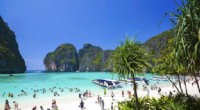
* Temperature: Plants have specific temperature ranges they can tolerate. Warm, humid climates support lush tropical rainforests, while cold, dry climates support tundra or boreal forests.
* Precipitation: Water is essential for plant life. Areas with high rainfall will have diverse, dense vegetation, while arid areas will have sparse, drought-tolerant vegetation.
* Sunlight: Photosynthesis requires sunlight. Areas with ample sunlight will have tall, leafy trees, while shaded areas will have smaller, understory plants.
* Growing Season Length: The amount of time with favorable temperatures and moisture dictates the type of vegetation. Short growing seasons limit plant growth, while long growing seasons allow for diverse vegetation.
Other factors also play a role:
* Soil type: Different soil types have varying nutrient levels and drainage, which can influence vegetation.
* Topography: Elevation, slope, and aspect (direction the slope faces) can affect temperature, sunlight, and water availability.
* Fire: Some ecosystems depend on periodic fires to regenerate.
* Human activity: Land use, agriculture, and pollution can significantly alter natural vegetation.
Ultimately, it's the combination of these factors that determines the type of vegetation that thrives in a specific climate.