General Description:
* Highly Diverse: Jungle soil is incredibly diverse, with variations depending on the specific rainforest location, climate, and underlying geology.
* Nutrient-Poor: Despite the abundant plant life, jungle soil is actually quite nutrient-poor. This is due to the rapid decomposition and recycling of nutrients by the dense vegetation.
* Fast Decomposition: The warm, humid climate of jungles promotes rapid decomposition of organic matter. This means nutrients are quickly absorbed by plants, leaving the soil relatively poor.
* High Organic Matter Content: While nutrients are scarce, jungle soil is rich in organic matter. This comes from fallen leaves, decaying wood, and animal waste, which contribute to the soil's dark color and loose texture.
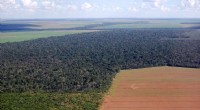
* Lateritic Soil: In many areas, jungle soil develops into a reddish-brown type called lateritic soil. This is due to the leaching of nutrients and the accumulation of iron and aluminum oxides.
Key Properties:
* Low pH: Jungle soil tends to be acidic due to the decomposition of organic matter.
* Poor Drainage: The dense vegetation and high rainfall can lead to poor drainage, creating waterlogged conditions.
* High Microbial Activity: The warm, moist environment supports a vast and diverse population of microbes, fungi, and bacteria, essential for decomposition and nutrient cycling.
* Sensitive to Disturbance: Jungle soil is extremely fragile and easily disturbed by human activities like deforestation, agriculture, and mining.
Different Types:
* Oxisols: Found in tropical regions, they are highly weathered and nutrient-poor.
* Ultisols: Similar to Oxisols but slightly less weathered and with a lower clay content.
* Inceptisols: These soils are younger and have undergone less weathering than Oxisols and Ultisols.
Adaptations:
* Shallow Root Systems: Many jungle plants have shallow root systems to quickly absorb nutrients before they are leached away.
* Mycorrhizal Symbiosis: Plants often form partnerships with fungi (mycorrhizae) that help them access nutrients from the soil.
Overall, jungle soil is a unique and delicate ecosystem that plays a crucial role in supporting the incredible biodiversity of rainforests. Understanding its characteristics and limitations is essential for sustainable management and conservation efforts.