Here's a breakdown of the key elements:
* Agents of Erosion: The forces that cause erosion, such as:
* Wind: Carries sand and dust, abrading rock surfaces.
* Water: Rain, rivers, and ocean waves carry sediment and wear away land.
* Ice: Glaciers scrape and carve through landscapes.
* Types of Erosion:
* Water Erosion: Includes rainsplash erosion, sheet erosion, rill erosion, and gully erosion.
* Wind Erosion: Creates dust storms and sand dunes.
* Glacial Erosion: Forms valleys, cirques, and other landforms.
* Impacts of Erosion:
* Land Degradation: Loss of fertile topsoil, reducing agricultural productivity.
* Soil Loss: Leads to sedimentation in rivers and lakes, affecting water quality and aquatic life.
* Coastal Erosion: Threatens coastal infrastructure and property.
* Landslide Erosion: Can cause significant damage to property and lives.
Here are some examples of erosion:
* A river carving a canyon: Water erodes the rock over time, creating a deep valley.
* Wind creating sand dunes: Wind carries sand, depositing it into dunes.
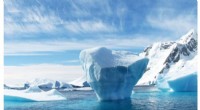
* Glaciers shaping mountains: Glaciers scrape and carve out valleys and mountain peaks.
Understanding erosion is crucial for managing natural resources and protecting the environment.