* Trees:
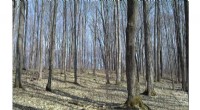
* Conifers: Pine, Spruce, Fir, Redwood, Cedar, Larch
* Deciduous: Aspen, Birch, Willow (in some regions)
* Animals:
* Mammals: Bears, Deer, Elk, Moose, Wolves, Lynx, Rabbits, Squirrels, Chipmunks, Mice, Beavers, Porcupines, Bobcats
* Birds: Owls, Hawks, Woodpeckers, Crows, Chickadees, Nuthatches, Crossbills, Grouse
* Reptiles: Snakes, Lizards (depending on location)
* Amphibians: Frogs, Toads, Salamanders (depending on location)
* Insects: Beetles, Butterflies, Ants, Spiders, Moths, Grasshoppers
* Rocks: Granite, Sandstone, Limestone (depending on location)
* Soil: Sandy, Loamy, Clay (depending on location)
* Water: Rivers, Streams, Lakes, Ponds
* Air: Oxygen, Nitrogen, Carbon Dioxide
* Sunlight: Provides energy for photosynthesis
* Temperature: Can fluctuate depending on season and altitude
* Precipitation: Rain, Snow, Fog
* Dead organic matter: Fallen leaves, branches, needles, decaying logs
It's important to note that the specific living and non-living things found in a coniferous forest can vary greatly depending on the location, altitude, and climate.
Here's a quick summary:
Living: Plants, animals, fungi, bacteria, etc.
Non-living: Rocks, soil, water, air, sunlight, temperature, precipitation, dead organic matter, etc.