Natural Environmental Changes:
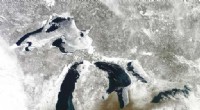
* Climate Change: Long-term shifts in temperature, precipitation, and other climate patterns.
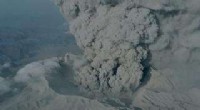
* Volcanic Eruptions: Release of ash, gases, and lava, affecting air quality and local landscapes.
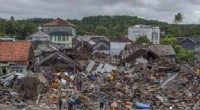
* Earthquakes: Shifts in the Earth's crust, causing tsunamis, landslides, and changes in landforms.
* Wildfires: Naturally occurring fires, shaping ecosystems and releasing smoke and pollutants.
* Floods: Overflowing of rivers and lakes, impacting habitats and human infrastructure.
* Droughts: Prolonged periods of low precipitation, leading to water shortages and desertification.
Human-Induced Environmental Changes:
* Pollution: Release of harmful substances into the environment, including air, water, and soil.
* Deforestation: Clearing of forests for agriculture, urbanization, and logging, impacting biodiversity and climate.
* Habitat Loss: Destruction or fragmentation of natural habitats, reducing biodiversity and ecosystem services.
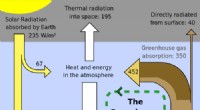
* Climate Change: Anthropogenic greenhouse gas emissions trap heat in the atmosphere, leading to warming and changes in weather patterns.
* Overfishing: Depletion of fish stocks beyond sustainable levels, impacting marine ecosystems.
* Invasive Species: Introduction of non-native species that outcompete native ones, disrupting ecosystems.
Impact of Environmental Changes:
Environmental changes can have significant impacts on:
* Ecosystems: Changes in species composition, biodiversity, and ecosystem services.
* Human Health: Impacts on air and water quality, exposure to toxins, and disease transmission.
* Climate: Global warming, changes in weather patterns, and extreme events.
* Food Security: Reduced crop yields, increased food prices, and vulnerability to climate change.
* Economic Development: Impacts on infrastructure, tourism, and natural resource industries.
Understanding and managing environmental changes is crucial for ensuring the well-being of both humans and the natural world.