Landforms:
* Mountains: The US is home to several major mountain ranges, including:
* The Rocky Mountains: Stretching from Canada to Mexico, they encompass iconic peaks like Pike's Peak and Mount Elbert.
* The Appalachian Mountains: Running along the eastern seaboard, they feature the Blue Ridge Mountains and the Great Smoky Mountains.
* The Sierra Nevada: Located in California, they host majestic peaks like Mount Whitney, the highest point in the contiguous United States.
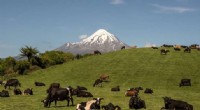
* The Cascade Range: Extending from northern California to Washington, they are known for volcanoes like Mount Rainier and Mount Shasta.
* The Alaska Range: Home to Denali, the highest peak in North America.
* The Hawaiian Islands: Formed by volcanic activity, they boast stunning volcanic landscapes and diverse ecosystems.
* Plateaus: Large, elevated areas of flat land include:
* The Colorado Plateau: Known for its canyons, mesas, and arches, including the Grand Canyon.
* The Columbia Plateau: In the Pacific Northwest, it features volcanic features and rolling hills.
* The Ozark Plateau: In the Midwest, it is known for its forests and karst topography.
* Plains: Expansive, flat areas of land cover large parts of the US:
* The Great Plains: A vast grassland region stretching from Texas to Canada.
* The Coastal Plains: Low-lying areas bordering the Atlantic and Gulf coasts.
* Canyons: Deep, narrow valleys carved by rivers:
* The Grand Canyon: A monumental canyon carved by the Colorado River in Arizona.
* The Bryce Canyon: Known for its unique hoodoos, rock formations sculpted by erosion.
* Deserts: Dry, arid regions with limited rainfall:
* The Mojave Desert: Known for its Joshua Trees and Death Valley, the lowest and hottest point in North America.
* The Sonoran Desert: Featuring iconic saguaro cacti and a diverse ecosystem.
* The Great Basin Desert: The largest desert in North America, characterized by its dry climate and mountain ranges.
* Glaciers: Large masses of ice:
* Alaska: Home to the largest glaciers outside of Antarctica, including the massive Bering Glacier.
* The Rocky Mountains: Mountains in the western US also have glaciers, such as the glaciers in Glacier National Park.
* Other Landforms: The US also features various other landforms like:
* Sand dunes: Like those found in the Great Sand Dunes National Park in Colorado.
* Volcanoes: Active and extinct volcanoes, particularly in the Pacific Northwest and Hawaii.
* Karst topography: Regions with sinkholes, caves, and underground streams, such as in Kentucky and Missouri.
Bodies of Water:
* Oceans: The US has coastlines bordering three major oceans:
* The Atlantic Ocean: East coast, from Maine to Florida.
* The Pacific Ocean: West coast, from Alaska to California.
* The Arctic Ocean: Northern coast of Alaska.
* Seas:
* The Gulf of Mexico: A large body of water bordering the southern US, connected to the Atlantic Ocean.
* Lakes:
* The Great Lakes: Five interconnected freshwater lakes, including Lake Superior, Lake Michigan, Lake Huron, Lake Erie, and Lake Ontario, forming the largest freshwater system in the world.
* Lake Tahoe: A beautiful alpine lake straddling the border of California and Nevada.
* Crater Lake: A volcanic crater lake in Oregon, known for its deep blue color and stunning scenery.
* Lake Mead: A reservoir formed by the Hoover Dam on the Colorado River.
* Rivers:
* The Mississippi River: The longest river in North America, flowing from Minnesota to the Gulf of Mexico.
* The Missouri River: The longest tributary of the Mississippi River, running through the heartland of the US.
* The Colorado River: Carving the Grand Canyon and flowing through several states.
* The Columbia River: A major river in the Pacific Northwest, known for its salmon runs.
* The Rio Grande: Forming the border between the US and Mexico.
This is just a brief overview. The US is a vast and diverse country, with countless other landforms and bodies of water, each with its unique features and stories.