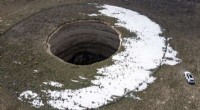
1. Geology: The study of the Earth's solid, non-living components, including rocks, minerals, landforms, and the processes that shape them. Geologists study the Earth's history, its internal structure, and the forces that have shaped its surface.
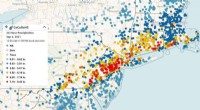
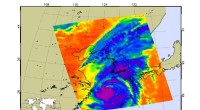
2. Meteorology: The study of the Earth's atmosphere, including weather, climate, and atmospheric phenomena. Meteorologists study atmospheric conditions, predict weather patterns, and analyze climate change.
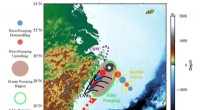
3. Oceanography: The study of the Earth's oceans, including their physical properties, chemical composition, marine life, and the processes that shape them. Oceanographers study ocean currents, tides, seafloor topography, and the interactions between the ocean and the atmosphere.
4. Hydrology: The study of the Earth's water, including its movement, distribution, and properties. Hydrologists study water cycles, groundwater systems, surface water resources, and water management.
5. Soil Science: The study of the Earth's soils, including their composition, properties, and how they interact with plants and other organisms. Soil scientists study soil formation, soil fertility, soil degradation, and sustainable soil management.
6. Geophysics: The study of the Earth's physical properties, including its magnetic field, gravity, and internal structure. Geophysicists use seismic waves, magnetic measurements, and other techniques to explore the Earth's interior and its dynamic processes.
7. Paleontology: The study of ancient life, including fossils, their origins, and their evolution. Paleontologists study fossils to understand the history of life on Earth and the processes of extinction and adaptation.
8. Environmental Science: The study of the interactions between living organisms and their environment, including the impacts of human activities on the Earth's systems. Environmental scientists study pollution, climate change, biodiversity loss, and sustainable resource management.
9. Geography: The study of the Earth's surface, including its physical features, human populations, and the interactions between them. Geographers study spatial patterns, mapmaking, and the relationships between humans and the environment.
10. Astrogeology: The study of the geology of celestial bodies, such as planets, moons, asteroids, and comets. Astrogeologists apply geological principles to understand the formation, evolution, and composition of these objects.
This is not an exhaustive list, as Earth science is a vast and complex field. These ten branches represent a diverse range of disciplines that help us understand our planet and its place in the universe.