Geological Features:
* Rocks: From granite boulders to river stones, rocks are an essential part of the rainforest ecosystem.
* Soil: The rich, fertile soil of the rainforest supports a vast array of life.
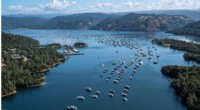
* Water: Rivers, streams, lakes, and waterfalls are vital for the rainforest's ecosystem.
* Sunlight: While filtered by the dense canopy, sunlight is essential for photosynthesis.
Man-made Features:
* Paths and trails: These are often constructed for research or tourism.
* Research stations and lodges: These provide facilities for studying and observing the rainforest.
* Logging equipment: Sadly, deforestation often leaves behind remnants of machinery.
Organic Matter:
* Fallen leaves: These decompose and enrich the soil.
* Dead trees: They provide habitats for various organisms and contribute to the soil's nutrients.
* Tree sap: While secreted by a living organism, the sap itself is not living.
* Fruit and seed pods: These are nonliving once they fall from the trees.
Other:
* Air: The atmosphere is vital for the rainforest's climate and the breathing of living organisms.
* Climate: The humid, warm climate itself is a nonliving factor.
Remember, the line between living and nonliving can be blurry in nature. Many objects can be considered both living and nonliving depending on how they are defined.