1. Topography:
* Elevation: Higher elevations are generally cooler and wetter due to decreased air pressure and the adiabatic cooling effect. Mountains can create rain shadows, where one side of the mountain receives more rainfall than the other.
* Slope: South-facing slopes in the Northern Hemisphere receive more sunlight and are generally warmer and drier than north-facing slopes.
* Aspect: The direction a slope faces can significantly influence the amount of sunlight it receives, affecting temperature and moisture.
2. Water Bodies:
* Lakes and oceans: Large bodies of water moderate temperatures, making nearby areas cooler in the summer and warmer in the winter. They also influence precipitation patterns.
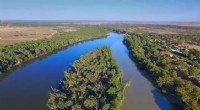
* Rivers and streams: These can create microclimates with increased humidity and cooler temperatures.
3. Vegetation:
* Trees: Trees provide shade, reducing temperatures and increasing humidity. They also intercept rainfall, influencing water availability in the area.
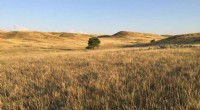
* Grasslands: Open grasslands tend to be warmer and drier than forested areas due to increased sunlight and reduced evapotranspiration.
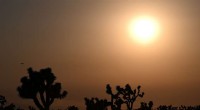
* Deserts: Sparse vegetation in deserts leads to higher surface temperatures and reduced humidity.
4. Human Activities:
* Urbanization: Cities create urban heat islands, with higher temperatures than surrounding rural areas due to heat generated by buildings and paved surfaces.
* Agriculture: Clearing forests for agriculture can alter local microclimates, changing temperature, humidity, and wind patterns.
* Pollution: Air pollution from industrial activities and traffic can trap heat, leading to warmer temperatures and poorer air quality.
5. Micro-scale Features:
* Rocks and boulders: These can absorb and release heat, creating temperature differences between areas with and without them.
* Soil composition: Different soil types have different water-holding capacities and thermal properties, influencing local temperatures and moisture levels.
* Animal activity: Animal burrows and trails can affect soil moisture and temperature, creating localized microclimates.
6. Natural Events:
* Wildfires: Fires can significantly alter local vegetation and soil characteristics, impacting temperatures and moisture levels.
* Volcanic eruptions: Ash and dust released from volcanic eruptions can block sunlight, reducing temperatures in the surrounding area.
It's important to remember that all these factors can interact in complex ways to create diverse microclimates within a biome. This variation within a biome allows for a greater variety of species and ecological niches, making the ecosystem more resilient and diverse.