Composition:
* Atmosphere: The layer of gases surrounding Earth, primarily composed of nitrogen (78%), oxygen (21%), and other trace gases like argon, carbon dioxide, and neon.
* Hydrosphere: All the water on Earth, including oceans, lakes, rivers, groundwater, and ice.
* Geosphere: The solid part of the Earth, consisting of:
* Crust: The outermost layer, composed of various rocks like granite and basalt.
* Mantle: A thick layer of mostly solid rock, but with a molten outer layer.
* Core: The center of the Earth, composed of a solid inner core and a liquid outer core, mainly made of iron and nickel.
* Biosphere: All living things on Earth, including plants, animals, fungi, bacteria, and all their interactions.
Other Key Features:
* Continents: Large landmasses that rise above sea level.
* Oceans: Vast bodies of saltwater covering approximately 71% of the Earth's surface.
* Mountains: Landforms that rise high above the surrounding terrain.
* Volcanoes: Openings in the Earth's crust where molten rock, ash, and gases erupt.
* Rivers and Lakes: Bodies of freshwater that flow or stand on the Earth's surface.
* Deserts: Areas with very low rainfall and limited vegetation.
* Forests: Areas with dense tree cover.
* Ice Caps and Glaciers: Large masses of ice that cover land.
Processes:
* Plate Tectonics: The theory that explains the movement of Earth's crustal plates, causing earthquakes, volcanic eruptions, and mountain formation.
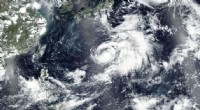
* Weather: Short-term variations in atmospheric conditions, including temperature, precipitation, wind, and humidity.
* Climate: Long-term weather patterns in a particular region.
* Erosion: The process of wearing away and transporting rock and soil by natural forces like wind and water.
Resources:
* Natural resources: Materials found in nature that are useful to humans, such as minerals, oil, gas, and timber.
* Renewable resources: Resources that can be replenished naturally, like solar energy, wind energy, and hydropower.
This is a simplified overview of the many things present on Earth. Each category has numerous subcategories and complexities that contribute to the unique and dynamic environment we call home.