1. Earth's Structure and Composition:
* Geosphere: Understanding the different layers of the Earth (crust, mantle, core) and their composition, properties, and interactions.
* Atmosphere: Exploring the layers of the atmosphere, their composition, and how they influence weather, climate, and life.
* Hydrosphere: Studying the distribution, movement, and properties of Earth's water in all its forms (oceans, lakes, rivers, groundwater).
* Biosphere: Examining the interactions between living organisms and the Earth's physical systems, and how they shape the planet.
2. Earth Processes:
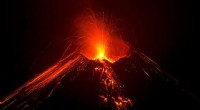
* Plate Tectonics: Understanding how Earth's plates move, causing earthquakes, volcanic eruptions, mountain building, and shaping the continents.
* Weather and Climate: Investigating the factors that influence weather patterns and how they change over time, leading to climate change.
* Erosion and Weathering: Exploring the processes that break down rocks and soil, shaping landscapes and creating landforms.
* Rock Cycle: Understanding how rocks are formed, transformed, and recycled through geological processes.
* Hydrologic Cycle: Investigating the continuous movement of water through the Earth's systems.
3. Earth History and Evolution:
* Geological Time Scale: Examining the vast history of Earth and its major events using fossils and geological formations.
* Paleoclimatology: Reconstructing past climates and understanding how they have changed over time.
* Evolution of Life: Tracing the development and diversity of life on Earth.
4. Earth Resources and Sustainability:
* Natural Resources: Investigating the availability, management, and sustainability of resources like minerals, water, and energy.
* Environmental Issues: Exploring the impact of human activities on the Earth's systems and seeking solutions for sustainable practices.
5. Earth Observation and Technology:
* Remote Sensing: Using satellites and other technologies to collect data about Earth's surface and atmosphere.
* Geographic Information Systems (GIS): Analyzing and visualizing geographical data to understand spatial patterns and relationships.
These concepts are interconnected and provide a comprehensive understanding of Earth as a complex and dynamic system. Earth science helps us understand our planet's past, present, and future, and it is crucial for addressing critical issues such as climate change, resource management, and environmental sustainability.