1. Evaporation: Water from oceans, lakes, rivers, and even soil evaporates into the atmosphere as water vapor.
2. Condensation: As the water vapor rises and cools, it condenses into tiny water droplets, forming clouds.
3. Precipitation: When the water droplets in clouds become too heavy, they fall back to Earth as rain, snow, sleet, or hail.
4. Infiltration: Some precipitation soaks into the ground, becoming groundwater.
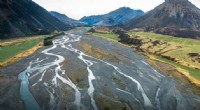
5. Runoff: Some precipitation flows over the land surface, eventually reaching rivers, lakes, and oceans.
6. Transpiration: Plants absorb water from the soil and release it into the atmosphere as vapor.
This cycle repeats endlessly, moving water between the earth and atmosphere. It's essential for life on Earth, as it provides water for drinking, agriculture, and ecosystems.