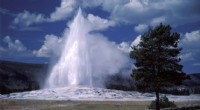
1. Geology: This is the study of the Earth's solid, non-living components. It encompasses things like rocks, minerals, the Earth's structure, and the processes that shape our planet, like plate tectonics and erosion.
2. Oceanography: This focuses on the oceans, including their physical characteristics, chemical properties, marine life, currents, and interactions with the atmosphere and the Earth's crust.
3. Meteorology: This is the science of weather and the atmosphere. It investigates things like temperature, pressure, humidity, wind patterns, and the formation of storms and other weather phenomena.
4. Climatology: This branch of Earth science examines the Earth's climate, focusing on long-term weather patterns, their causes, and the effects of climate change.
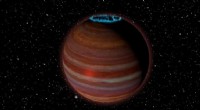
5. Astrogeology: This interdisciplinary field combines geology and astronomy to study the geology of celestial bodies, including planets, moons, asteroids, and comets.
These are just a few examples. Earth science is a vast and fascinating field that encompasses many other areas of study!