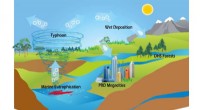
1. Climate Change: Understanding the causes, effects, and potential solutions to climate change is a paramount concern. This includes studying how greenhouse gas emissions affect the atmosphere, how rising temperatures impact glaciers and sea levels, and developing strategies for mitigation and adaptation.
2. Natural Hazards: Earth science helps us understand and mitigate natural hazards like earthquakes, volcanic eruptions, floods, landslides, and tsunamis. This involves researching the processes that cause these events, developing early warning systems, and implementing strategies for disaster preparedness and response.
3. Resource Management: Managing Earth's resources, including water, minerals, energy, and land, is crucial for human survival and well-being. Earth scientists contribute to understanding the distribution and availability of these resources, developing sustainable practices for extraction and use, and minimizing environmental impacts.
4. Environmental Pollution: Pollution from various sources, including industrial activity, agriculture, and transportation, poses a significant threat to the environment and human health. Earth scientists study the sources and impacts of pollution, develop strategies for remediation, and advocate for sustainable practices.
5. Biodiversity Conservation: Earth scientists play a role in understanding biodiversity and its importance for ecosystem stability and human well-being. They study the distribution and abundance of species, identify threats to biodiversity, and develop conservation strategies to protect endangered ecosystems.
6. Space Exploration: Earth science provides a foundation for understanding other planets and celestial bodies. Studying the Earth's geological processes and climate allows us to compare and contrast with other planets, providing insights into the formation and evolution of the solar system.
7. Sustainable Development: Earth science plays a key role in promoting sustainable development by providing data and knowledge about the Earth's systems, identifying environmental risks, and developing solutions for sustainable resource management.
These are just a few of the major concerns within Earth science. The field is constantly evolving, with new challenges and opportunities emerging all the time. By understanding our planet and its systems, we can work towards a more sustainable and prosperous future for all.