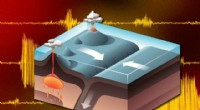
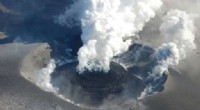
* Geologists: They focus on the Earth's physical structure, composition, and history, including the formation of rocks, minerals, and landforms. They study plate tectonics, volcanism, earthquakes, and the processes that shape our planet over millions of years.
* Geophysicists: They study the Earth's physical properties, including its magnetic field, gravity, and internal structure. They use various methods, such as seismic waves and satellite imagery, to understand the dynamics of the Earth's interior.
* Climatologists: They study the Earth's climate system, including its atmospheric, oceanic, and land components. They investigate climate change, its causes, and its impacts on the planet.
* Oceanographers: They study the oceans, including their physical, chemical, and biological properties. They investigate ocean currents, tides, marine life, and the role of the oceans in climate regulation.
* Glaciologists: They study glaciers and ice sheets, including their formation, movement, and impacts on the environment. They investigate the role of glaciers in sea level rise and climate change.
* Paleontologists: They study fossils and ancient life, providing insights into the history of Earth and its evolving life forms. They investigate past climates, ecosystems, and the processes that led to extinctions.
These are just some of the many disciplines that contribute to our understanding of Earth's changing processes. The study of Earth is interdisciplinary, and many researchers collaborate to gain a holistic perspective.